




An ordinary deck. An unexpected match! In Card Soccer, cards become defenders and goalkeepers, and every card you beat brings you closer to scoring.
Choose which defender to attack, break through the back line, and take on the goalkeeper. Higher cards beat lower ones, but even the strongest have a weakness: a two beats an ace, and a three beats a king. Equal ranks trigger a war, decided by fresh cards from both decks.
uPano (Panoramic Solution for Unity) is a universal multi-platform solution for displaying dynamic and static panoramas, and creating virtual tours.
uPano is very easy to learn and use, and is great for people who do not have programming experience.
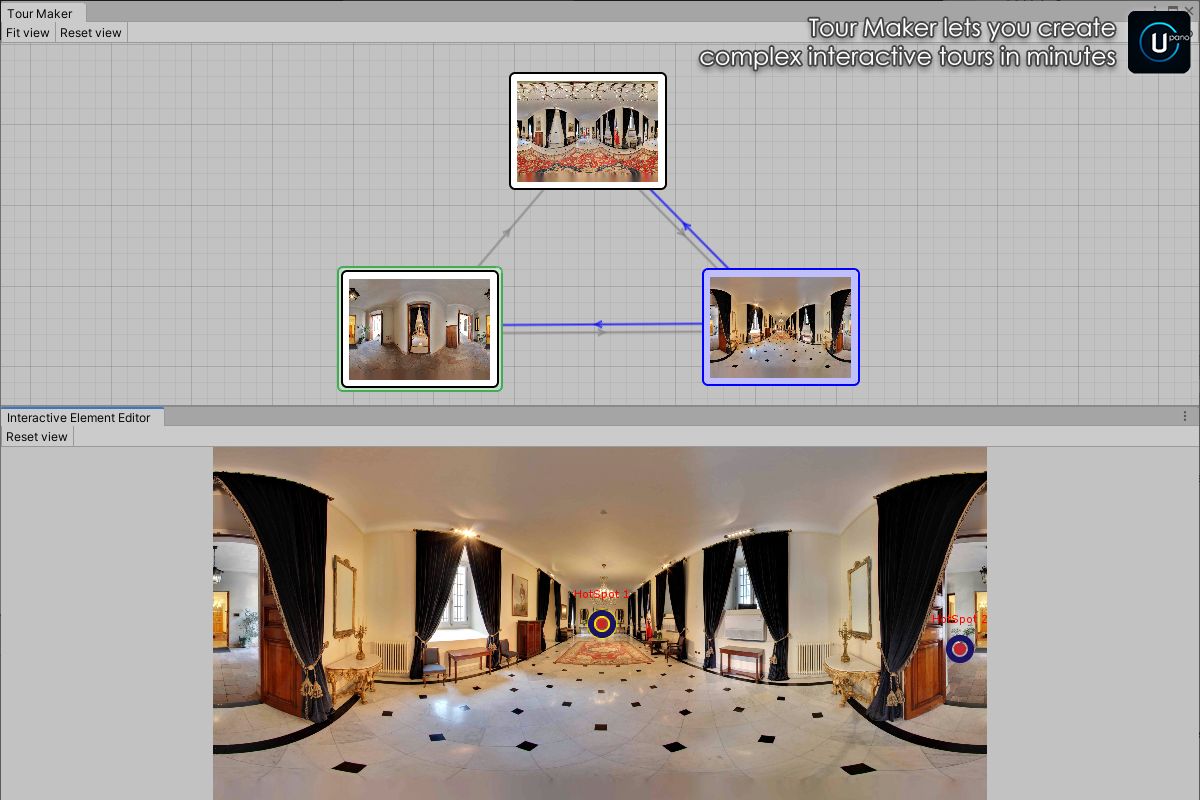
Visual Tour Maker lets you create virtual tours in minutes.
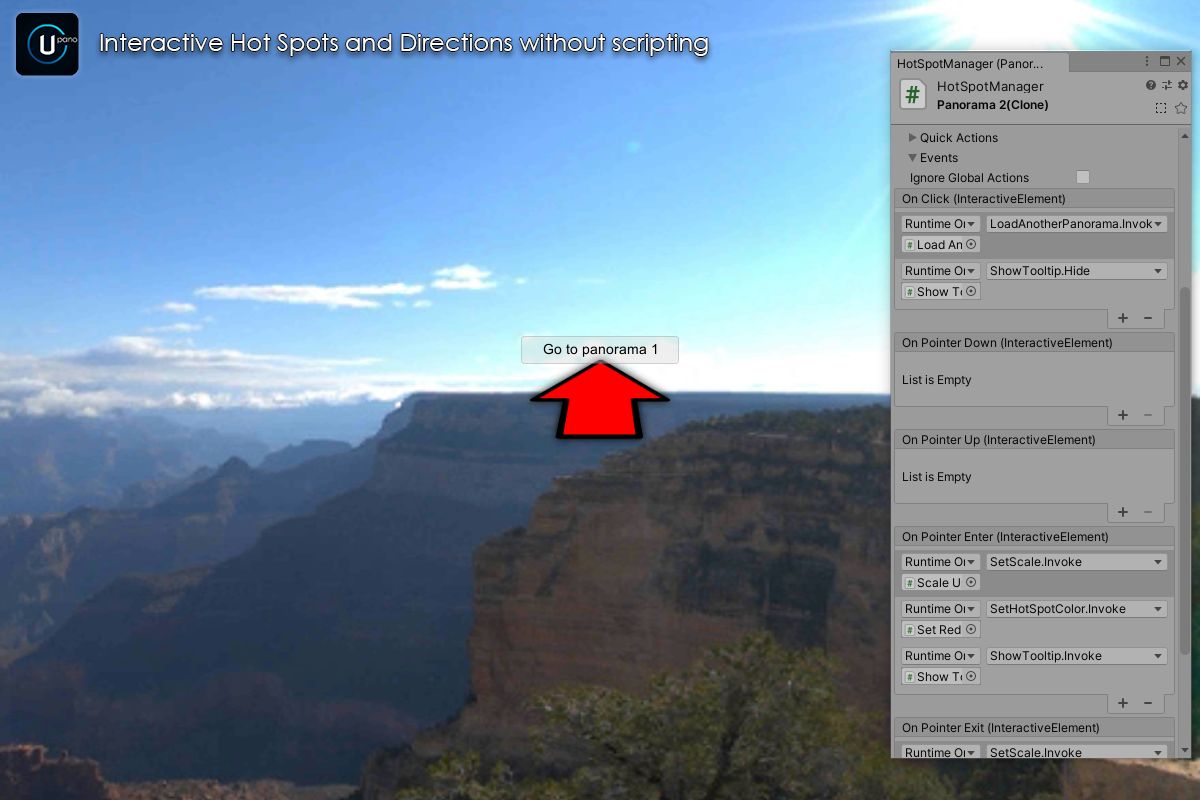
In most usage scenarios, you can make interactive panoramas without creating your own scripts.
If you have some very specific purpose, uPano has a powerful and easy-to-use API that will allow you to implement any behavior.
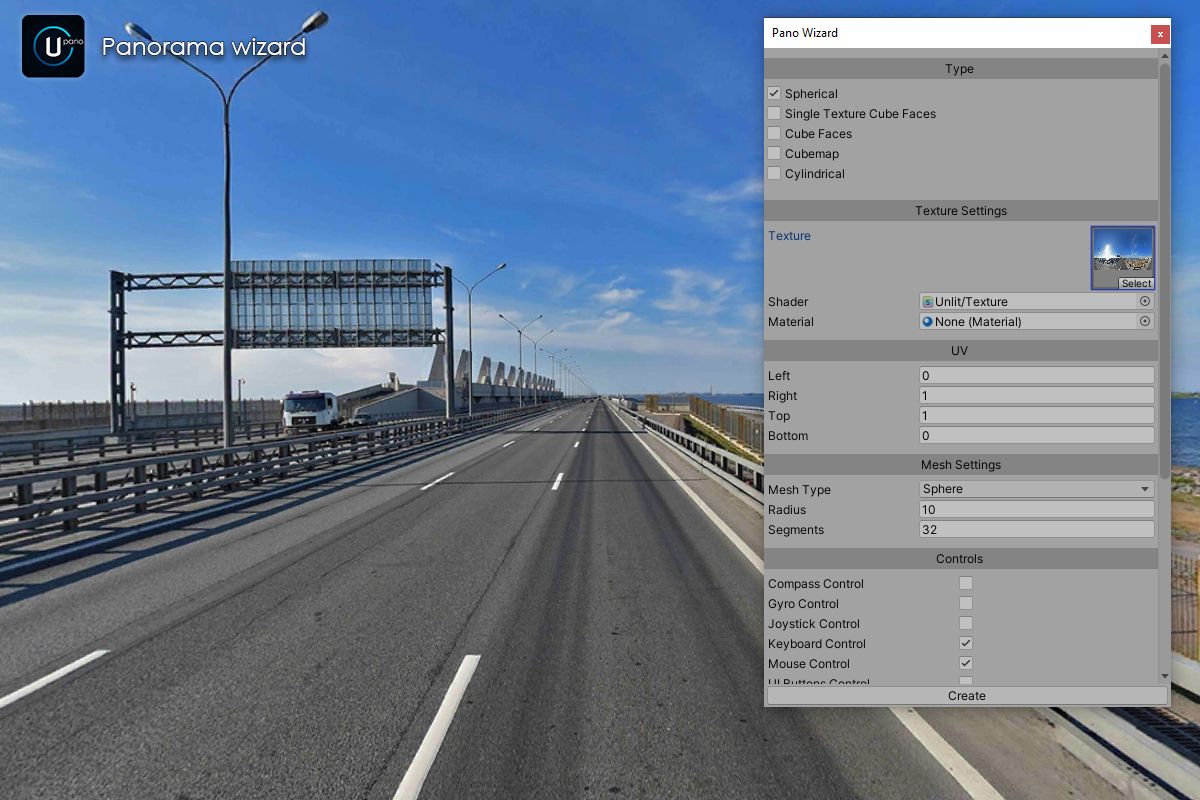
Most of the existing types of panoramas are supported: spherical, cylindrical, cubic panoramas on single or six images, cubemap.
Render Pipelines: Standard RP, URP, HDRP.
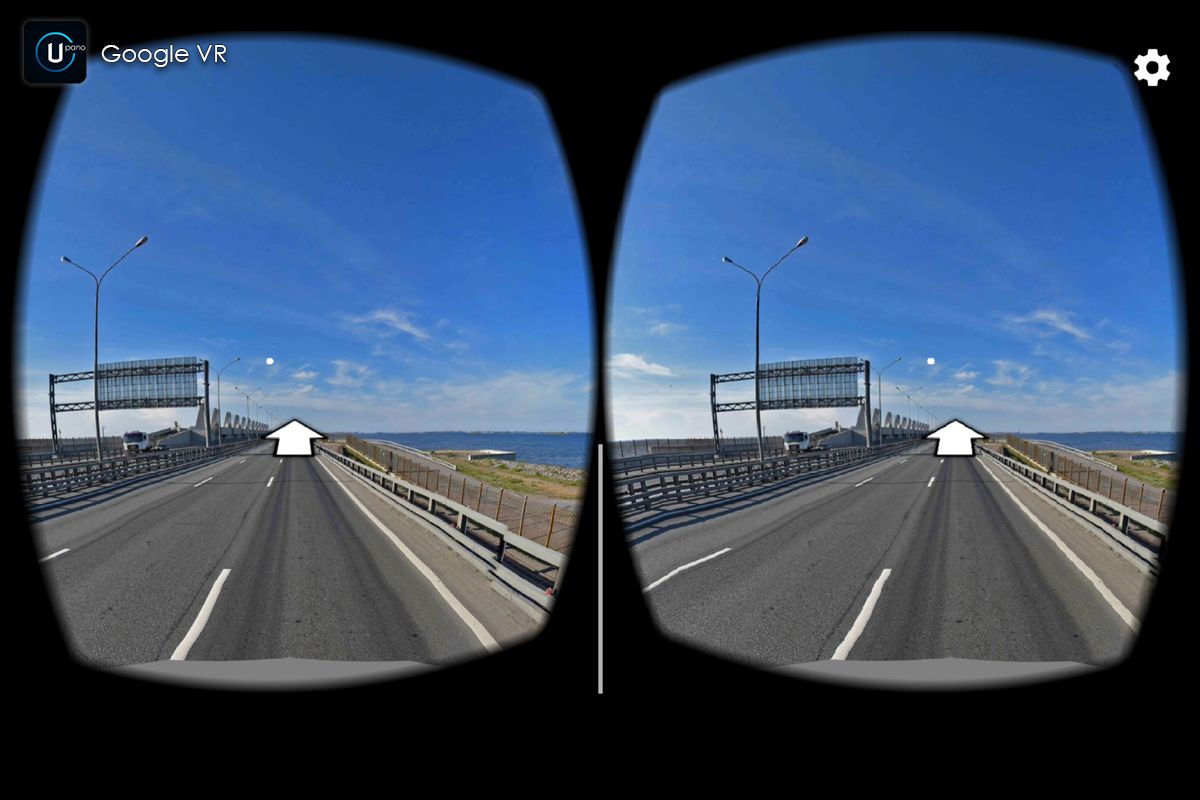
Platforms: Standalone, iOS, Android (including Google VR), Universal Windows Platform, WebGL.
Other platforms have not been tested, but most likely uPano will work well.
Additional features:
• Can display textures larger than 8192px using Huge Texture;
• Visual Tour Maker;
• Interactive elements (Hot Spots, Directions, Hot Areas) + Visual Editor;
• Lots of built-in actions for Interactive elements;
• Compound transitions;
• Video panoramas;
• Control with: mouse, touch, keyboard, gyro, compass, UI buttons, UI compass, UI joystick;
• Plugins: Auto Rotate, Downloader, Go To Direction Using Keyboard, Limits, Multi Camera, Orthographic Camera, Sync Views, Time Switch, Timed Gaze;
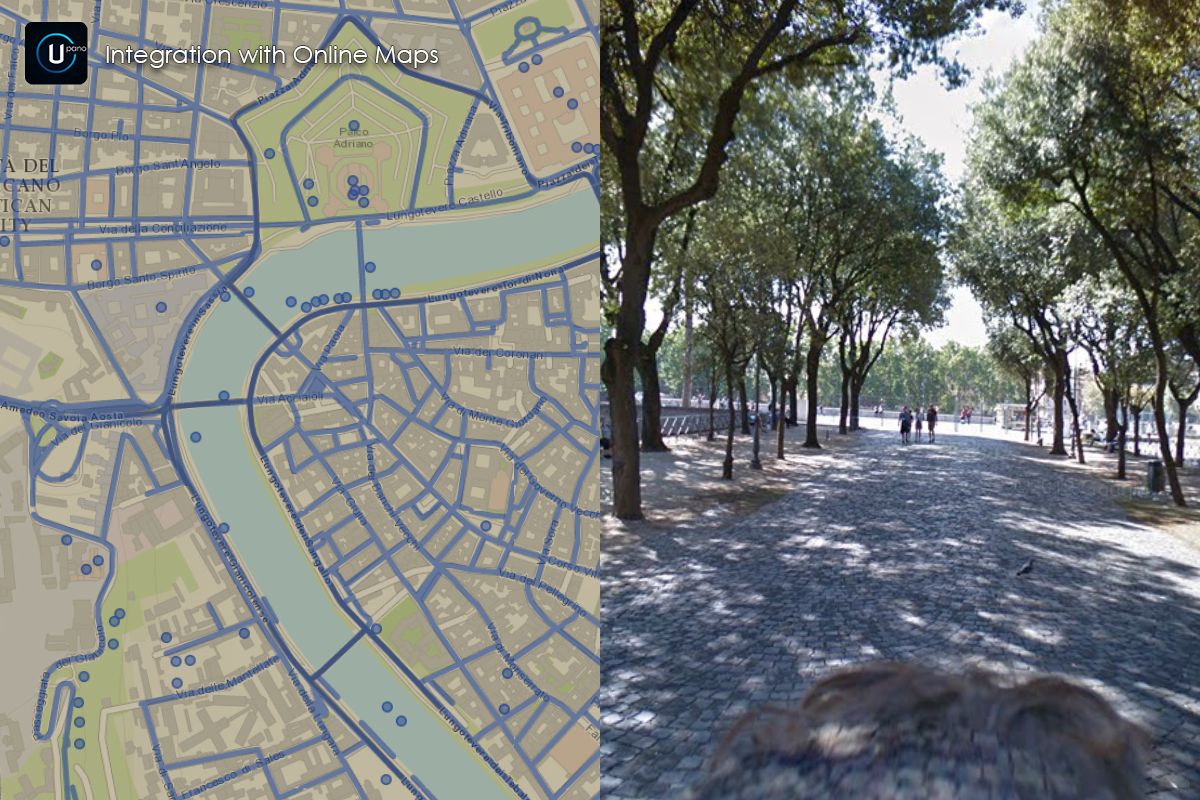
• (optional) Integration with Fingers - Touch Gestures, Huge Texture, Online Maps, Playmaker;
• Built-in update system.
Need to create interactive virtual tours with high-resolution panoramas and rich media galleries? Get uPano together with Huge Texture and Smart Gallery in the Virtual Tour & Interactive Media Bundle and save $25 compared to purchasing the assets separately.